
-
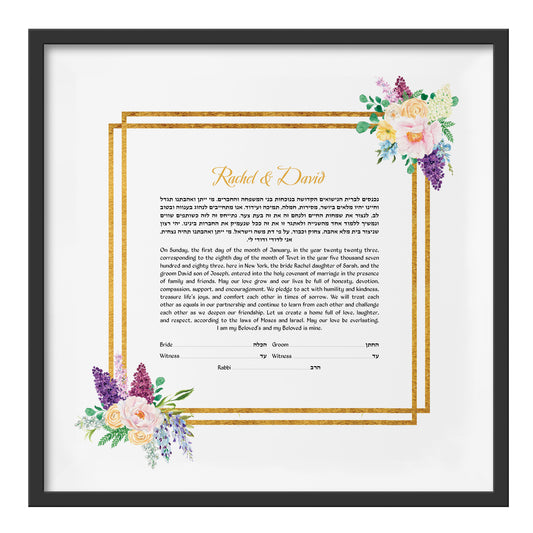
Spring Flowers Ketubah
Regular price From $199.00 USDRegular priceSale price From $199.00 USDUnit price per -
Ketubah. Bombay, India, 1911
Regular price From $249.00 USDRegular priceSale price From $249.00 USDUnit price per -
Colorful Tree of Life Ketubah – Impressionist Design
Regular price From $249.00 USDRegular priceSale price From $249.00 USDUnit price per -
Floral Chuppah Ketubah
Regular price From $229.00 USDRegular priceSale price From $229.00 USDUnit price per -
Minimalist Love Ketubah – Red Typography Design
Regular price From $229.00 USDRegular priceSale price From $229.00 USDUnit price per -
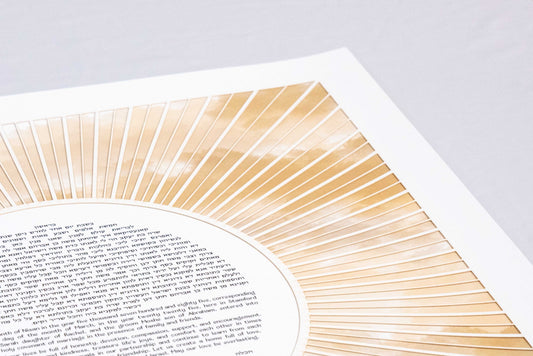
Gold Sunburst Papercut Ketubah – 2-Layer Design
Regular price $399.00 USDRegular priceSale price $399.00 USDUnit price per -
Papercut Tree of Life Ketubah - 2-Layer Design
Regular price $499.00 USDRegular priceSale price $499.00 USDUnit price per -
Blue Spring Flowers Ketubah
Regular price From $199.00 USDRegular priceSale price From $199.00 USDUnit price per -
DIY Ketubah Circular Text on Square Background
Regular price From $199.00 USDRegular priceSale price From $199.00 USDUnit price per -
Blue Harmony Tree Ketubah
Regular price From $249.00 USDRegular priceSale price From $249.00 USDUnit price per -
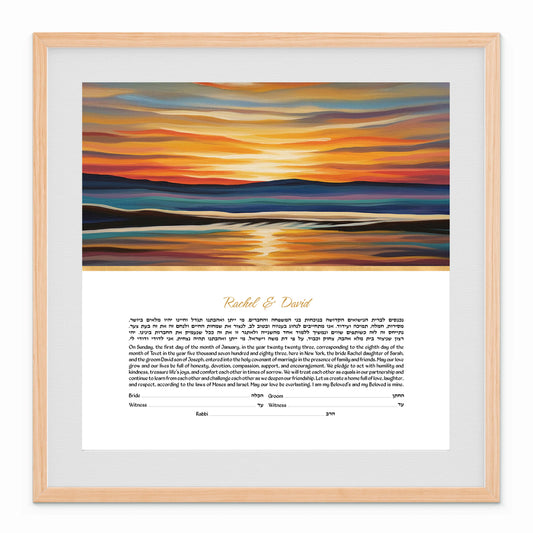
Gold & Blue Sunset Ketubah – Modern Abstract Art
Regular price From $199.00 USDRegular priceSale price From $199.00 USDUnit price per -
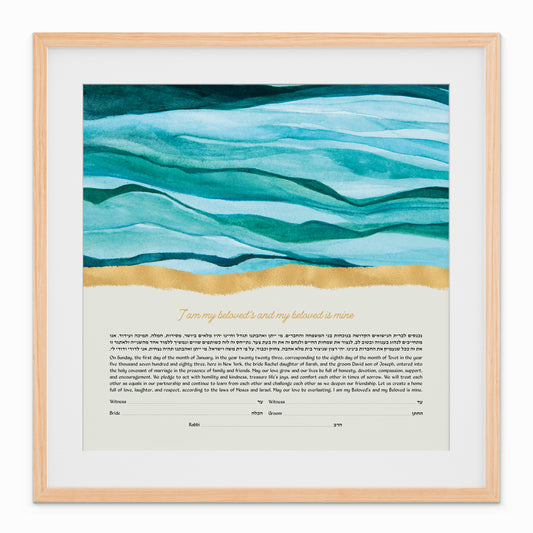
Gold Accent Waves Ketubah – Blue Watercolor Design
Regular price From $229.00 USDRegular priceSale price From $229.00 USDUnit price per -
Four Seasons Tree Ketubah
Regular price From $229.00 USDRegular priceSale price From $229.00 USDUnit price per -
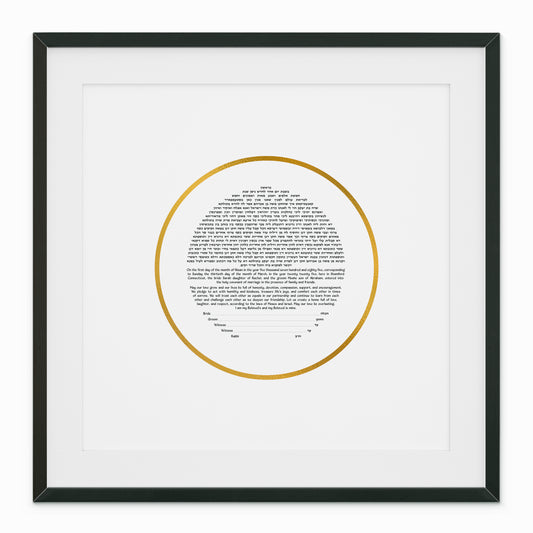
Classic Gold Ring Circle Ketubah
Regular price From $199.00 USDRegular priceSale price From $199.00 USDUnit price per -
Gold Intertwined Leaves Ketubah
Regular price From $229.00 USDRegular priceSale price From $229.00 USDUnit price per -
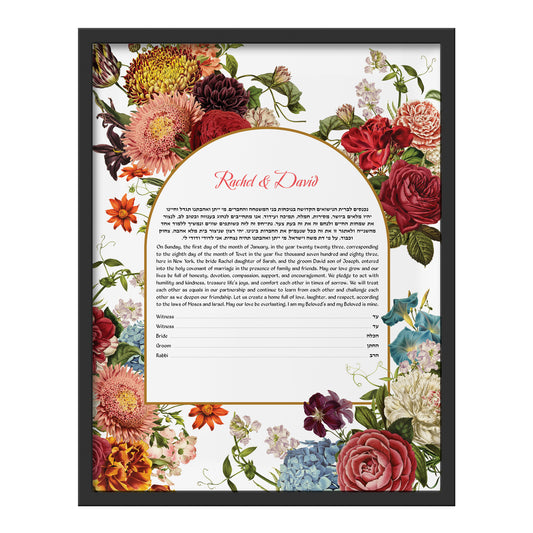
Vintage Flowers Ketubah
Regular price From $249.00 USDRegular priceSale price From $249.00 USDUnit price per -
Twisting Harmony Ketubah Tree
Regular price From $229.00 USDRegular priceSale price From $229.00 USDUnit price per -
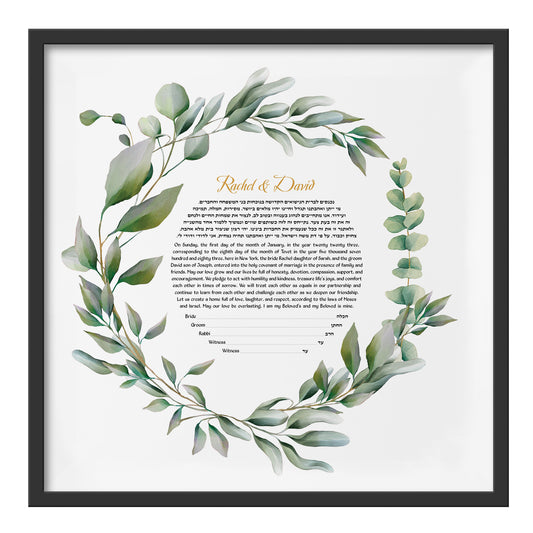
Eucalyptus & Olive Branch Ketubah
Regular price From $199.00 USDRegular priceSale price From $199.00 USDUnit price per -
Vintage Flowers Ketubah - Ivory Background
Regular price From $249.00 USDRegular priceSale price From $249.00 USDUnit price per -
Green Eucalyptus Ketubah
Regular price From $249.00 USDRegular priceSale price From $249.00 USDUnit price per -
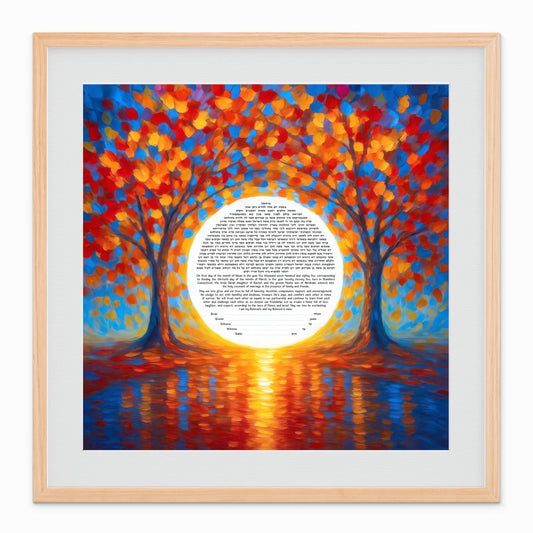
Autumn Sunset Tree Ketubah
Regular price From $249.00 USDRegular priceSale price From $249.00 USDUnit price per -
Watercolor Leaves Modern Ketubah
Regular price From $249.00 USDRegular priceSale price From $249.00 USDUnit price per -
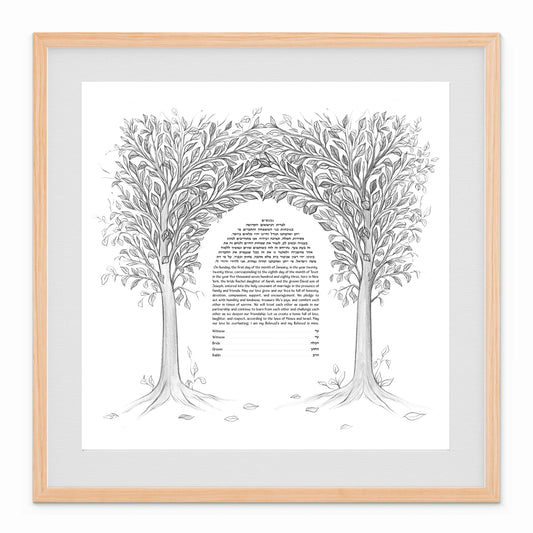
Pencil Sketch Tree of Life Ketubah
Regular price From $199.00 USDRegular priceSale price From $199.00 USDUnit price per -
Tree of Life Ketubah – Spring Blossoms with Intertwined Trees
Regular price From $229.00 USDRegular priceSale price From $229.00 USDUnit price per -
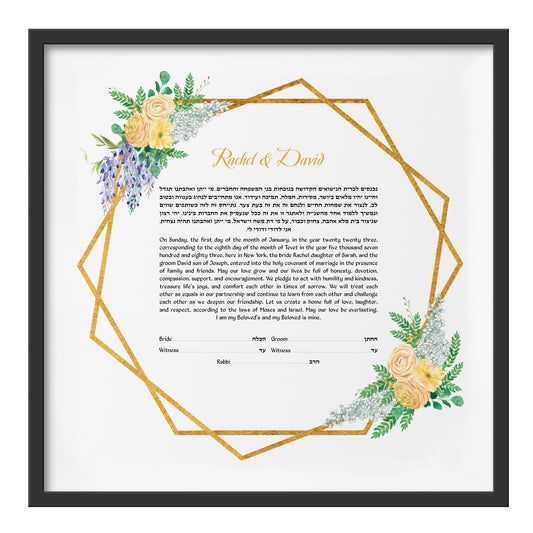
Gold Hexagon Border Ketubah with Flowers
Regular price $249.00 USDRegular priceSale price $249.00 USDUnit price per -
Intertwined Leaves Ketubah
Regular price From $249.00 USDRegular priceSale price From $249.00 USDUnit price per -
Intertwined Golden Rings Ketubah
Regular price $249.00 USDRegular priceSale price $249.00 USDUnit price per -
Grand Archway Vintage Flowers Ketubah
Regular price $199.99 USDRegular priceSale price $199.99 USDUnit price per -
Gold Square Border Ketubah with Flowers
Regular price $249.00 USDRegular priceSale price $249.00 USDUnit price per -
Tree of Life Garden Ketubah
Regular price From $229.00 USDRegular priceSale price From $229.00 USDUnit price per -
Watercolor Grapevine Vineyard Ketubah
Regular price From $199.00 USDRegular priceSale price From $199.00 USDUnit price per -
Camellia Flowers & Botanical Ketubah
Regular price $249.00 USDRegular priceSale price $249.00 USDUnit price per -
Watercolor Rings Ketubah – Multi-Color
Regular price From $229.00 USDRegular priceSale price From $229.00 USDUnit price per -
Modern Art Sunset Ketubah Design
Regular price From $229.00 USDRegular priceSale price From $229.00 USDUnit price per -
Spring Wildflower Garden Ketubah
Regular price From $199.00 USDRegular priceSale price From $199.00 USDUnit price per -
Watercolor Floral Ketubah – Pastel Garden
Regular price From $229.00 USDRegular priceSale price From $229.00 USDUnit price per















Celebrating Unity: A Guide to Interfaith Ketubahs
A marriage contract that honors two backgrounds and one shared life
An interfaith wedding brings together different histories, customs, and families. For many couples, the ketubah becomes the place where that meeting point is expressed clearly and respectfully. While rooted in Jewish tradition, today’s interfaith ketubah has grown into a shared statement of values that feels honest to both partners.
Rather than choosing one tradition over another, an interfaith ketubah allows couples to define their marriage in their own words, with language that reflects who they are and the home they are building together.
How the Interfaith Ketubah Has Evolved
Historically, the ketubah outlined legal responsibilities within a Jewish marriage. Over time, many couples began using it as a values-based document that speaks to commitment, partnership, and mutual care.
For interfaith couples, this shift matters. The ketubah becomes a declaration of intention rather than a legal formality. It reflects respect for Jewish tradition while making equal space for the identity of the non-Jewish partner.
“The ketubah works best when neither partner feels like they are standing on someone else’s ground. It should feel shared from the first line to the last.”
— Interfaith Officiant
Displayed in the home, it serves as a reminder that the marriage was built thoughtfully and with care for both sides of the family.
Choosing Text That Feels Balanced
Text selection is often the most important decision for interfaith couples. The wording should feel natural when read aloud and meaningful long after the ceremony.
Most interfaith ketubah texts focus on three themes:
- Shared values such as respect, kindness, and responsibility to one another
- Recognition of two backgrounds, often through language that names different histories or paths
- Commitment to the future, including the home, community, or family the couple hopes to create
Many couples tell us the goal is simple: the text should sound like both of them. Not symbolic. Not vague. Just true.
Language Options and Layout Choices
Interfaith couples have flexibility when it comes to how their ketubah is written and presented.
Common formats include:
- English-only text for couples who want full clarity for all guests and family members
- Hebrew and English for those who value the visual presence of Hebrew alongside accessible wording
- Multilingual texts, such as English and Spanish or English and French, when honoring extended family or heritage
There is no single correct format. What matters is that everyone who reads it understands what it represents.
Coordinating With Your Officiant
Interfaith ceremonies may be led by a rabbi, cantor, minister, or secular officiant. Sharing the ketubah text early helps avoid last-minute questions and ensures the language fits the tone of the ceremony.
Most officiants are comfortable with interfaith wording, especially when they receive a digital proof in advance. This step gives couples peace of mind and keeps the focus where it belongs on the ceremony itself.
A Meaningful Heirloom for an Interfaith Home
Like traditional ketubahs, interfaith ketubahs are created to last. Whether the artwork is floral, modern, or papercut-inspired, the piece becomes part of the couple’s daily space.
Over time, it tells a clear story: two people chose to honor each other fully. Not by simplifying their differences, but by naming them and moving forward together.
Finding an Interfaith Ketubah at WeddingKetubah.com
Every design we offer can be paired with an interfaith text. Many couples choose from our most popular styles and then customize the wording to reflect their relationship, ceremony, and family structure.
Our process includes text guidance, professional layout, and a digital proof before printing so you can move forward with confidence.
If you are looking for a ketubah that feels respectful, clear, and genuinely shared, you are in the right place.
Interfaith Ketubah FAQs
What is an interfaith ketubah?
An interfaith ketubah is a Jewish marriage document written with inclusive language that honors both partners’ backgrounds. It keeps the structure and meaning of a ketubah while using wording that reflects shared values, mutual respect, and a joint commitment.
Can any ketubah design include interfaith text?
Yes. Interfaith is a text option, not a design style. Any ketubah artwork can include interfaith wording. The designs on this page are simply the ones most often chosen by couples who select interfaith text.
Does an interfaith ketubah need to be in Hebrew?
No. Many interfaith couples choose English-only text. Others include Hebrew and English for visual tradition and clarity. Some couples also add a third language to honor family heritage.
Who can officiate an interfaith ketubah ceremony?
Interfaith ketubahs are commonly used in ceremonies led by rabbis, cantors, ministers, or secular officiants. It is recommended to share the final text with the officiant ahead of time so it fits the ceremony.
Is an interfaith ketubah still a legal or religious document?
For most interfaith couples today, the ketubah functions as a symbolic and ethical agreement, not a legal contract. Its role is to express intention, values, and partnership rather than religious law.